

Google Introduces Google One AI Premium with Advanced Gemini Features

Google has been actively enhancing its AI offerings, rebranding Bard to Gemini, launching a dedicated Android app, and more. Notably, Google has unveiled a paid tier for its generative AI engine, marking the debut of another digital subscription option.

The Google Gemini explained explainer provides an overview of Google’s AI tools, while here, we delve into the advanced features of Google Gemini available in the new Google One AI Premium tier.
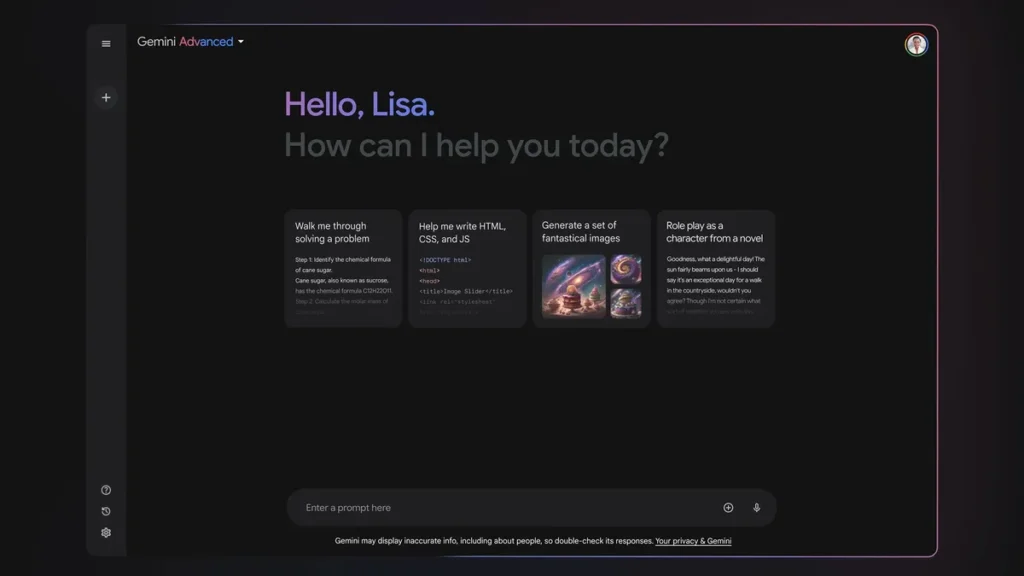
We explore the pricing of this cloud tier, along with the AI features it offers, empowering you to make an informed decision about signing up. This plan is part of Google One, offering additional digital storage in the cloud. Here’s what Google One AI Premium brings to the table:

The Google One AI Premium plan is now available for purchase at $19.99 / £18.99 / AU$32.99 per month. Unlike some other Google One plans, there’s no option for an annual payment discount, but you have the flexibility to cancel anytime.

Currently, Google is offering free two-month trials for Google One AI Premium, allowing users to explore the features without initial payment.

In addition to 2TB of storage across Gmail, Google Drive, and Google Photos, the premium plan includes priority support, 10% back in the Google Store, extra Google Photos editing features, dark web monitoring, and access to the Google One VPN.

However, the highlight is the inclusion of Gemini Advanced features, specifically the “most capable” version named Ultra 1.0. This advanced AI model offers state-of-the-art performance for handling complex tasks involving text, images, and code, surpassing human experts in various subjects.

While the Gemini app for Android and iOS is available to all users, subscribers to the premium plan enjoy the enhanced Ultra 1.0 model across platforms.

The integration of Gemini with Google’s productivity apps, such as Gmail, Google Docs, Google Meet, and Google Slides, is on the horizon. This integration, known as Gemini for Workspace, will be accessible to Google One AI Premium subscribers, aiding in email composition and presentation design.

In summary, Google One AI Premium offers access to cutting-edge Gemini AI features, with more enhancements promised in the future. The free trial provides an opportunity for early adopters to experience the potential of Gemini Advanced, positioning it as a strong contender in the AI landscape.


Google Settles Shareholder Lawsuit for $350 Million Over Google+ Security Bug

Google (GOOGL.O) has reached a settlement agreement worth $350 million to resolve a lawsuit filed by shareholders concerning a security flaw at its now-defunct social media platform, Google+.

The preliminary settlement, filed late on Monday in San Francisco federal court following over a year of mediation, is subject to approval by U.S. District Judge Trina Thompson. This settlement addresses claims that Google was aware of a software glitch dating back to March 2018 that exposed personal data of Google+ users. Despite this knowledge, Google allegedly withheld information about the issue for several months while publicly emphasizing its dedication to data security.

Shareholders argued that Google refrained from disclosing the security flaw out of fear that it would lead to regulatory and public scrutiny similar to what Facebook faced in the aftermath of the Cambridge Analytica scandal, where user data was harvested for the 2016 U.S. elections.

The lawsuit, spearheaded by Rhode Island Treasurer James Diossa on behalf of a state pension fund holding Alphabet stock, encompasses Alphabet shareholders from April 23, 2018, to April 30, 2019. Allegedly, news of the security flaw caused fluctuations in Alphabet’s stock prices, resulting in substantial losses of market value.

Google, while denying any wrongdoing, has agreed to the settlement without admitting fault and asserts that there is no evidence of data misuse. Jose Castaneda, a spokesman for Google, stated, “We regularly identify and address software issues, disclose information about them, and take these matters seriously. This case pertains to a product that no longer exists, and we are pleased to have resolved it.”

This settlement follows a related $7.5 million agreement reached by Google with Google+ users in 2020. Court documents reveal that lawyers representing the shareholders may seek up to $66.5 million in fees from the settlement.

The disclosure of this settlement comes just over five weeks after Google resolved another lawsuit, alleging the unauthorized tracking of internet usage by millions of users who believed they were browsing privately. The terms of that settlement have not yet been made public.

The case is identified as In re Alphabet Inc Securities Litigation in the U.S. District Court for the Northern District of California, No. 18-06245.

Tech CEOs Face Congressional Grilling Over Social Media’s Impact on Teens

Tech executives, including Meta CEO Mark Zuckerberg, are set to face another round of questioning from Congress this week regarding the potential harm their products may pose to teenagers. Despite previous assurances that they would assist teens and families in making informed decisions, social media platforms are under increasing scrutiny amid concerns that their services could contribute to depression and even suicide among young users.

With a looming presidential election and state lawmakers taking a more prominent role, Congress is poised to push tech companies to go beyond their previous efforts in addressing these concerns. The Senate Judiciary Committee hearing scheduled for Wednesday will feature testimony from the chief executives of TikTok, Snap, Discord, and X, with some appearing before Congress for the first time

While many tech CEOs are expected to highlight tools and policies aimed at protecting children and giving parents greater control over their online experiences, critics argue that these measures fall short. Online safety advocates insist that relying solely on parents and young users to safeguard against potential harms is inadequate and that tech platforms must be held accountable for implementing more robust safety features.

Concerns have also been raised about the role of generative artificial intelligence tools, which could facilitate the creation and dissemination of harmful content on social media. This has intensified calls for tech platforms to prioritize safety features by default.

Several major platforms, including Meta, Snapchat, Discord, and TikTok, have introduced oversight tools allowing parents to monitor their teens’ online activities and exert some control over their experiences. Additionally, platforms like Instagram and TikTok have implemented features such as “take a break” reminders and screen time limits to mitigate exposure to harmful content.

In response to mounting pressure, Meta recently proposed federal legislation advocating for app stores to verify users’ ages and enforce age restrictions. The company also unveiled new safety initiatives, such as hiding age-inappropriate content and prompting teens to adjust their privacy settings.

Snapchat has expanded its parental oversight tool, Family Center, giving parents more control over their teens’ interactions on the platform. Despite these efforts, critics argue that tech companies have been slow to implement necessary safety updates and cannot be relied upon to self-regulate effectively.

As efforts to regulate tech platforms stall in Congress, momentum for addressing social media issues has shifted to state legislatures and the courts. Several states have passed laws aimed at restricting social media use among teens, though many of these laws are facing legal challenges from the tech industry.

Wednesday’s hearing will also provide lawmakers with an opportunity to question smaller industry players, such as X and Discord, about their youth safety efforts. Discord, in particular, has faced scrutiny over its role in hosting controversial content and has been engaging with lawmakers to address concerns.

With tech CEOs once again under the spotlight, there is growing recognition that industry-wide solutions are needed to address the complex challenges posed by social media platforms and their impact on young users.