

Navigating the Evolution of AI: Task Models and Large Language Models Coexisting

In the not-so-distant past, just a year ago in November, the world of machine learning was focused on constructing models for specific tasks such as loan approvals and fraud protection. Fast forward to today, the landscape has shifted with the emergence of generalized Large Language Models (LLMs). However, the era of task-based models, described by Amazon CTO Werner Vogels as “good old-fashioned AI,” is far from over and continues to thrive in the enterprise.

Task-based models, the foundation of AI in the corporate world before LLMs, remain a crucial component. Atul Deo, general manager of Amazon Bedrock, a product introduced to connect with large language models via APIs, emphasizes that task models haven’t vanished; instead, they’ve become an additional tool in the AI toolkit.

In contrast to LLMs, task models are tailored for specific functions, whereas LLMs exhibit versatility beyond the predefined model boundaries. Jon Turow, a partner at investment firm Madrona and former AWS executive, notes the ongoing discourse about the capabilities of LLMs, such as reasoning and out-of-domain robustness. While acknowledging their potential, Turow highlights the enduring relevance of task-specific models due to their efficiency, speed, cost-effectiveness, and performance in specialized tasks.
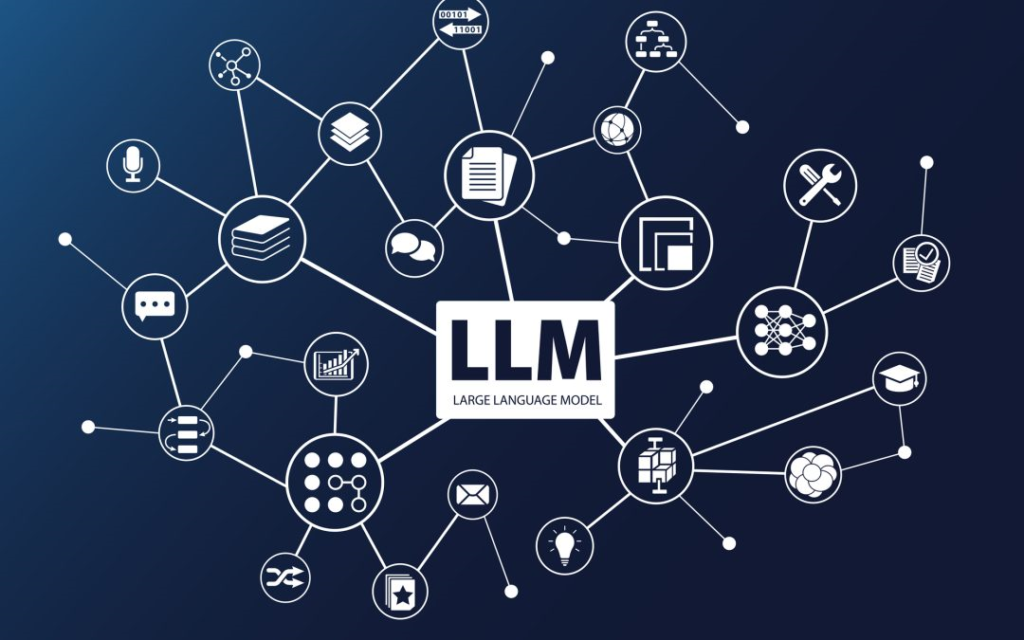
Despite the allure of all-encompassing models, the practicality of task models remains undeniable. Deo argues that having numerous separately trained machine learning models within a company is inefficient, making a compelling case for the reusability benefits offered by large language models.

For Amazon, SageMaker remains a pivotal product within its machine learning operations platform, catering specifically to data scientists. SageMaker, with tens of thousands of customers building millions of models, continues to be indispensable. Even with the current dominance of LLMs, the established technology preceding them remains relevant, as evidenced by recent upgrades to SageMaker geared toward managing large language models.

In the pre-LLM era, task models were the sole option, prompting companies to assemble teams of data scientists for model development. Despite the shift towards tools aimed at developers, the role of data scientists remains crucial. Turow emphasizes that data scientists will continue to critically evaluate data, providing insights into the relationship between AI and data within large enterprises.

The coexistence of task models and large language models is expected to persist, acknowledging that sometimes bigger is better, while at other times, it’s not. The key lies in understanding the unique strengths and applications of each approach in the evolving landscape of artificial intelligence.
Cyber Criminals Exploit Booking.com: Dark Web Ads Offer Rewards for Hotel Login Details

In a disturbing trend, hackers are intensifying their assaults on Booking.com users, utilizing dark web forums to seek assistance in locating potential victims. Cyber-criminals are enticing with rewards of up to $2,000 (£1,600) for hotel login credentials, exploiting unsuspecting customers since at least March.

Despite Booking.com being one of the leading platforms for holidaymakers, reports of fraud have surfaced from customers in the UK, Indonesia, Singapore, Greece, Italy, Portugal, the US, and the Netherlands. While Booking.com itself has not been compromised, cyber-security experts reveal that hackers are infiltrating individual hotels’ administration portals linked to the service.

A spokesperson from Booking.com acknowledged the targeted attacks, stating that some accommodation partners are falling victim to hackers utilizing various well-known cyber-fraud techniques.

Research conducted by cyber-security firm Secureworks sheds light on the clandestine methods employed by these hackers. The attackers initiate their scheme by tricking hotel staff into downloading a malicious software called Vidar Infostealer. Posing as former guests, they send emails to hotels, alleging that they left their passport in the room. The email contains a Google Drive link supposedly containing an image of the passport, but instead downloads malware onto staff computers, scanning for Booking.com access.

Once inside the Booking.com portal, hackers gain visibility into all customers with current room or holiday reservations. Using the official app, they then contact customers and manipulate them into making payments directly to the hackers rather than the hotel.

The financial success of these attacks is evident as hackers are now offering substantial sums to criminals who share access to hotel portals. Rafe Pilling, director of threat intelligence for Secureworks Counter Threat Unit, states, “The scam is working and it’s paying serious dividends,” attributing its success to the high rate of social engineering effectiveness.

Victims like Lucy Buckley have fallen prey to this scheme. Contacted through the Booking.com app, hackers convinced her to send £200, claiming to be staff at the Paris hotel where she booked a room. Fortunately, she managed to secure a refund after realizing the deception.

In response to the growing threat, cyber-security expert Graham Cluley suggests that Booking.com hotels implement multi-factor authentication to bolster security. He emphasizes that the platform could do more, such as restricting links in chat that lead to websites less than a few days old, preventing the use of freshly-created fake sites to deceive customers into making payments.